

Month: March 2026

In today’s fast-paced corporate environment, the need for efficient and comprehensive human resource (HR) applications is greater than ever. Modern HR solutions are no longer just about managing employee records or payroll; they are integral tools that foster employee engagement, enhance communication, and streamline administrative processes. As organizations continue to evolve, selecting the right HR application becomes crucial to support a thriving workplace culture.

For companies aiming to integrate a seamless employee engagement platform, the MELP homepage offers insight into a solution designed to address multiple facets of workforce management. This platform exemplifies how a modern HR application can unify various essential features to boost wellbeing, motivation, recognition, and internal communication.

Key Features of a Modern HR Application

A contemporary HR application should encompass a diverse range of functionalities to meet the complex needs of today’s workforce. Some of the critical features include:

  • Internal Communication: Effective communication within an organization is vital to ensure alignment and transparency. Modern HR applications incorporate tools for real-time messaging, announcements, and collaborative platforms that break down silos and foster an informed workforce.
  • Employee Recognition: Recognizing employee achievements boosts morale and productivity. Built-in recognition programs allow peers and managers to celebrate milestones, contributions, and exemplary work, creating a positive feedback loop.
  • Personalised Benefits: Tailoring benefits to individual employee needs enhances satisfaction and loyalty. Modern systems enable customization and management of benefits packages that reflect diverse workforce preferences and life stages.
  • AI Automations: Automation powered by artificial intelligence reduces administrative burden by automating routine tasks such as leave approvals, onboarding processes, and performance tracking, allowing HR professionals to focus on strategic initiatives.
  • AI Intranet Chats: Embedded AI chatbots within the company intranet provide instant responses to employee queries about policies, benefits, and procedures, improving accessibility and reducing delays in information dissemination.

Enhancing Internal Communication

Internal communication is the backbone of organizational success. Modern HR applications facilitate this through integrated communication channels that support both formal and informal interactions. Platforms equipped with messaging tools, forums, and digital bulletin boards enable employees to stay connected regardless of their location, fostering a cohesive corporate culture. Additionally, these tools often feature analytics to track communication effectiveness and employee engagement levels.

Fostering Employee Recognition and Motivation

Recognition is a powerful driver of employee engagement. Modern HR applications include modules that allow for peer-to-peer and manager-to-employee recognition. By providing a structured yet flexible framework for acknowledging contributions, these platforms help reinforce positive behaviors and encourage continuous improvement. Recognition programs can be gamified or linked to tangible rewards, which further motivates employees and strengthens their connection to the company.

Personalising Employee Benefits

One-size-fits-all benefits packages no longer suffice in diverse workplaces. Modern HR applications support personalized benefits by offering employees options that can be tailored to their individual circumstances, such as health plans, wellness programs, and flexible working arrangements. This personalization not only improves employee satisfaction but also aids in talent retention and attraction by demonstrating a company’s commitment to meeting unique employee needs.

Leveraging AI for Efficiency and Support

Artificial intelligence has transformed the capabilities of HR applications. AI automations streamline repetitive tasks like scheduling, leave management, and compliance checks, reducing errors and freeing up HR staff. Moreover, AI-powered intranet chats provide instant, 24/7 support by answering common employee questions or directing them to relevant resources. Such smart automation enhances the overall employee experience by delivering timely and accurate assistance.

Building a Connected and Engaged Workforce

The integration of these essential features within a single platform creates a robust ecosystem that supports employee wellbeing and organizational goals. A well-rounded HR application acts as a central hub where employees can communicate, receive recognition, access personalized benefits, and get instant support through AI tools. This holistic approach not only improves operational efficiency but also cultivates a work environment where employees feel valued and motivated to contribute their best.
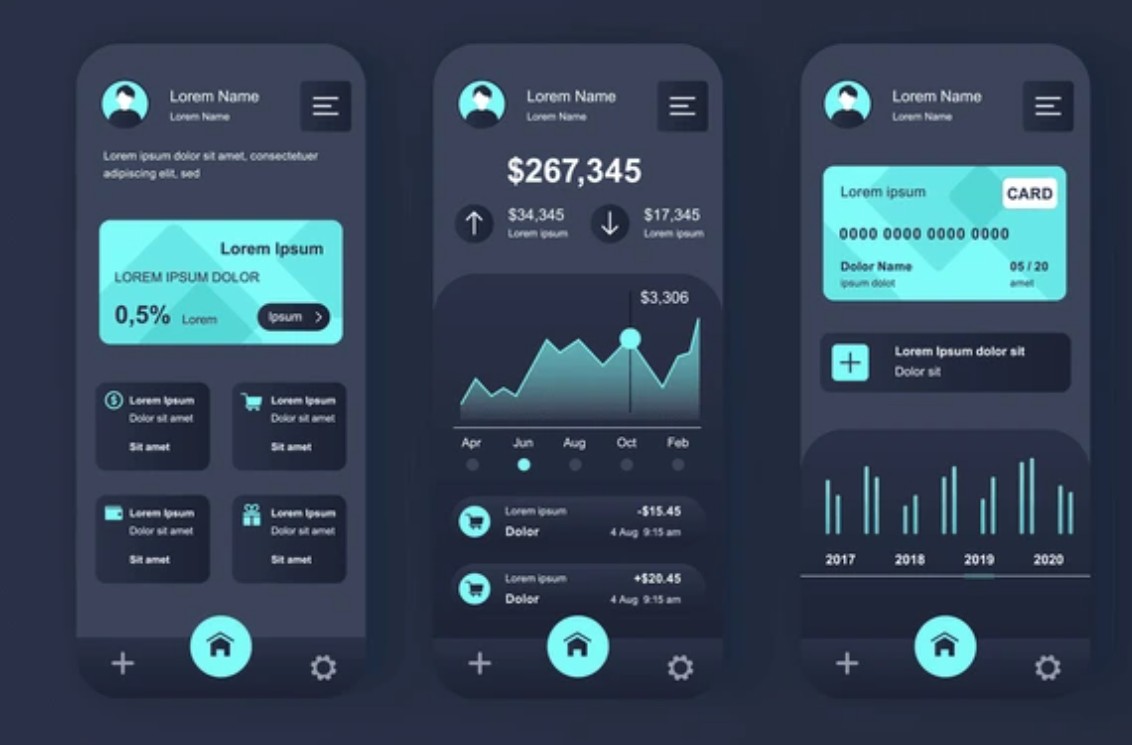
Understanding the Importance of UX in Fintech Apps

The financial technology sector is rapidly evolving, with users demanding seamless, intuitive, and secure digital experiences. A well-designed user experience (UX) is crucial to ensure users can easily navigate complex financial data, perform transactions efficiently, and trust the platform with their sensitive information. Fintech app UX design focuses on creating interfaces that not only look appealing but also optimize functionality, accessibility, and security.

As companies seek to Prostrive digital transformation, investing in UX design becomes a strategic imperative. This transformation goes beyond merely digitizing services; it involves rethinking how users interact with financial systems to deliver personalized, real-time solutions. By prioritizing user-centric design principles, fintech apps can gain competitive advantages and foster long-term customer loyalty.

Key Principles for Effective Fintech UX Design

Designing for fintech applications requires balancing complexity and simplicity. Financial services often involve intricate workflows, but users expect a straightforward experience. The following principles are vital:

  • Clarity and Transparency: Users should understand every step of their interaction, including fees, transaction statuses, and data privacy policies.
  • Accessibility: Ensuring the app is usable by people with various abilities, including those with visual or motor impairments, enhances inclusivity.
  • Security and Trust Indicators: Visual cues like biometric authentication, encrypted connections, and clear consent forms reassure users about data safety.
  • Consistency: Uniform design elements and predictable navigation reduce cognitive load and improve user confidence.
  • Speed and Responsiveness: Fast loading times and smooth transitions contribute to a positive experience, especially during time-sensitive transactions.

Integrating Advanced Technologies with UX Design

Modern fintech apps often incorporate technologies such as blockchain, artificial intelligence (AI), and custom SaaS solutions to enhance their offerings. These technologies must be seamlessly integrated into the UX design to maximize user benefit without creating confusion.

  • Blockchain Development: Leveraging blockchain can improve transparency and security in transactions. UX designers must find intuitive ways to display blockchain data and transaction histories without overwhelming users.
  • AI Development: AI-powered features like chatbots, personalized financial advice, and fraud detection enhance user engagement. The design should facilitate natural interactions and clearly communicate AI assistance.
  • Custom SaaS UI/UX Design: Tailored software-as-a-service platforms allow fintech companies to differentiate themselves. Custom UI/UX ensures that unique functionalities are presented clearly and efficiently.

App Development teams must collaborate closely with UX designers to ensure these technologies enhance rather than hinder the user experience.

Strategies for Enhancing User Engagement and Retention

Retention in fintech apps is closely tied to how well users feel supported and empowered throughout their journey. Strategies to boost engagement include:

  1. Personalization: Using data analytics to tailor dashboards, notifications, and recommendations increases relevance and satisfaction.
  2. Onboarding and Education: Clear onboarding processes and educational content help users understand features and build trust.
  3. Gamification: Incorporating rewards, progress tracking, and challenges can motivate users to engage more frequently and deeply.
  4. Feedback Loops: Encouraging user feedback and promptly addressing concerns fosters a sense of community and continuous improvement.

Future Trends in Fintech UX Design

As fintech continues to innovate, UX design will evolve to accommodate new user expectations and technological capabilities. Emerging trends include:

  • Voice-Activated Interfaces: Voice commands and conversational UI will make financial management more accessible and hands-free.
  • Augmented Reality (AR): AR could visualize financial data in immersive ways, aiding decision-making.
  • Cross-Platform Experiences: Ensuring consistent and seamless experiences across web, mobile, and wearable devices will become standard.
  • Ethical Design: Transparency about data usage and avoiding dark patterns will be essential to maintain user trust.

Elevating Financial Services Through Thoughtful Design

Fintech app UX design is not just about aesthetics but about creating meaningful interactions that empower users to manage their finances with confidence and ease. By embracing user-centric design principles, integrating cutting-edge technologies thoughtfully, and continuously adapting to emerging trends, fintech platforms can deliver superior experiences that drive adoption and loyalty. As the industry progresses, the fusion of technology and design will be the cornerstone of successful financial innovation.